Home / Blog / How Do Orthodontic Braces Work?
How Do Orthodontic Braces Work?
Teenagers frequently use orthodontic braces, which are essential instruments for straightening and aligning teeth as well as aesthetic enhancements. They have a big impact on both face appearance and oral health. dissecting the workings of pressure and remodelling, investigating important elements, and investigating treatment-influencing variables. the revolutionary effects of orthodontic therapy on oral health and appearance.
The Mechanics of Braces: A Tale of Pressure and Remodelling
By consistently and gently applying pressure to the teeth, orthodontic braces facilitate a gradual transformation of the teeth into the ideal positions. As the teeth move into their new alignment, this pressure sets off a cellular dance known as bone remodelling, which breaks down and rebuilds bone structure.
Key Components of Braces
Understanding the magic behind braces involves acknowledging their key components:
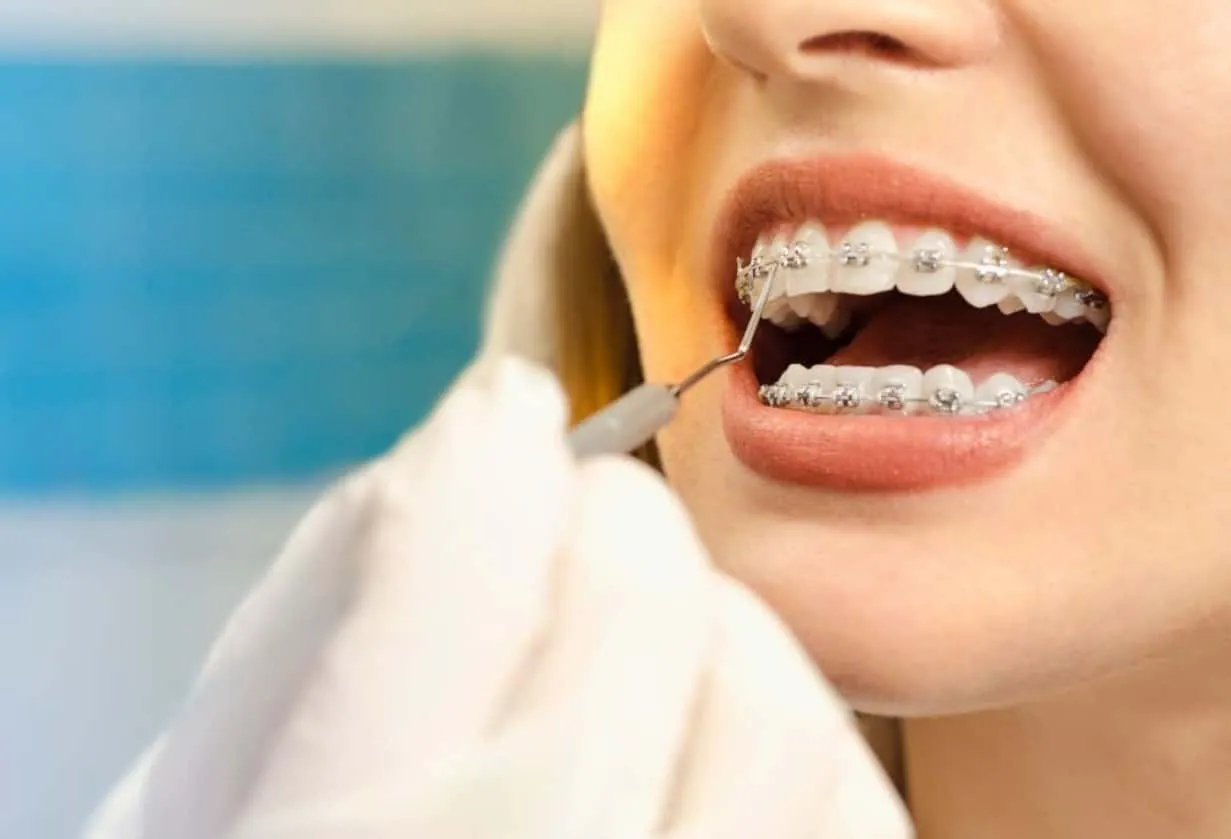
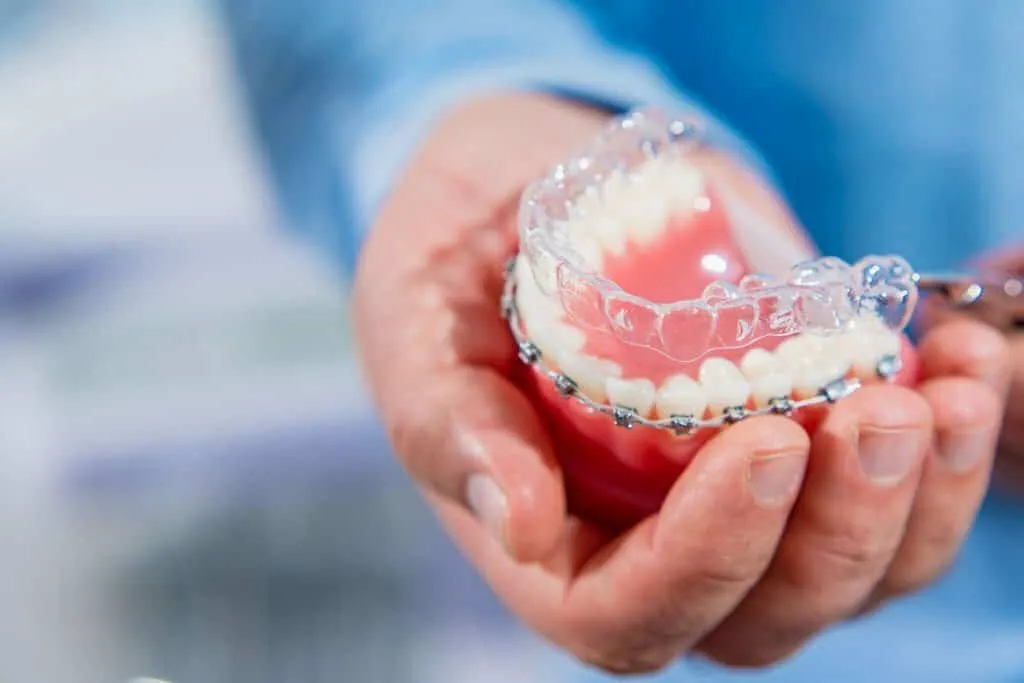
- Brackets: Each tooth’s front surface is adhered to by these tiny, adhesive-backed anchors.
- Archwire: A flexible, thin wire that passes through the brackets and presses on the teeth.
- Ligatures: The little elastic bands that fasten the brackets to the archwire.
- Extra Appliances: Expanders or headgear may be included, depending on the situation.
Factors Influencing Braces Treatment
The effectiveness and duration of braces treatment are influenced by several factors:
- Severity of Malocclusion: The degree of crowding and misalignment affects the treatment’s intricacy and length.
- Patient cooperation: For best outcomes, following directions and practising good dental hygiene are essential.
- Bone Growth: The rate at which the jawbone grows and remodels has an impact on the mobility of teeth.
Trade-offs and Considerations
While braces are highly effective, they come with potential trade-offs:
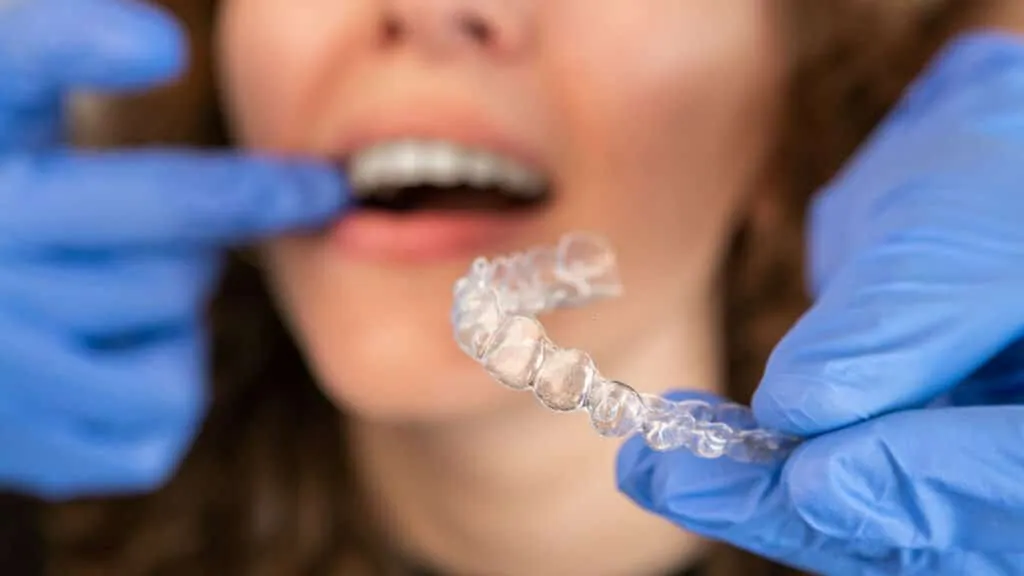
- Aesthetics: While discrete options like translucent or tooth-coloured braces are available, traditional metal braces can still be easily noticed.
- Pain: Usually uncomfortable at first, it goes away as teeth get used to the pressure.
- Dietary Restrictions: In order to prevent injury, some firm or sticky foods may need to be avoided.
Challenges and Approaches
Orthodontists encounter various challenges:
- Individual Variability: Since every patient reacts differently, customised care regimens are required.
- Extended Treatment Period: Orthodontic therapy frequently lasts several months or even years.
- Sustaining Patient Motivation: In order to achieve the best results, patient motivation is essential.
Impact on Oral Health and Aesthetics
Orthodontic treatment not only enhances aesthetics but also improves oral health:
- Correct Alignment: Having straight teeth improves speech, chewing, and oral hygiene in general.
- Decreased Risk of Dental Issues: Teeth that are positioned properly are less likely to experience excessive wear, dental decay, and periodontal disease.
- Increased Self-Confidence: Smiling more really can increase social confidence and self-esteem.
When properly understood and selected, orthodontic braces can be effective instruments for attaining a smile that is both healthy and attractive. When people are well-informed on the science underlying braces, treatment-related variables, and possible trade-offs, they can make wise decisions regarding their orthodontic care.