

Home / Treatments / Teeth grinding
Bruxism Treatment at The Dental Spa Bondi
A sore jaw in the morning, or teeth wearing down? We can help protect them.
Custom occlusal splintsFamily-run since 2014Payment plans
Does this sound like you?

Your jaw aches when you wake
It feels sore or tender first thing.

You wake with a headache
Often at the sides of your head.
Your teeth feel sore
They ache or feel sensitive.

Your teeth look worn
They look flat, chipped or cracked.

Why it happens
You grind or clench your teeth without knowing, mostly in your sleep. Dentists call it bruxism. Stress is the most common cause. Coffee, alcohol, smoking and teeth that don't meet evenly can make it worse. Jaw hurts too? See jaw pain treatment.
How we help

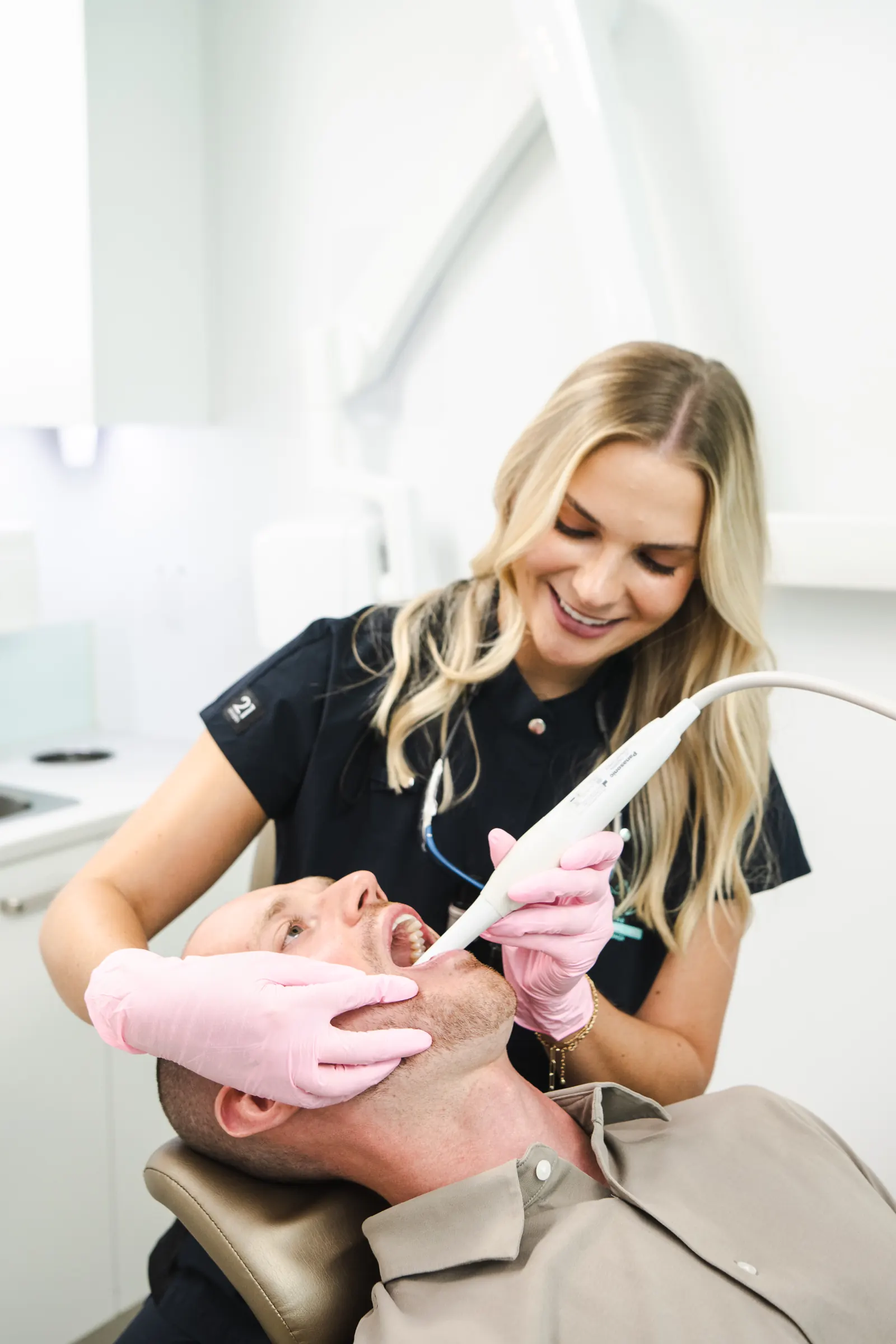
A guard you wear at night
Made to fit your teeth. It takes the wear while you sleep. About night splints

Fixing how your teeth meet
If your bite is part of the cause, we may adjust it.

Small changes before bed
Less coffee and alcohol at night, and the same bedtime each night.
Your first visit
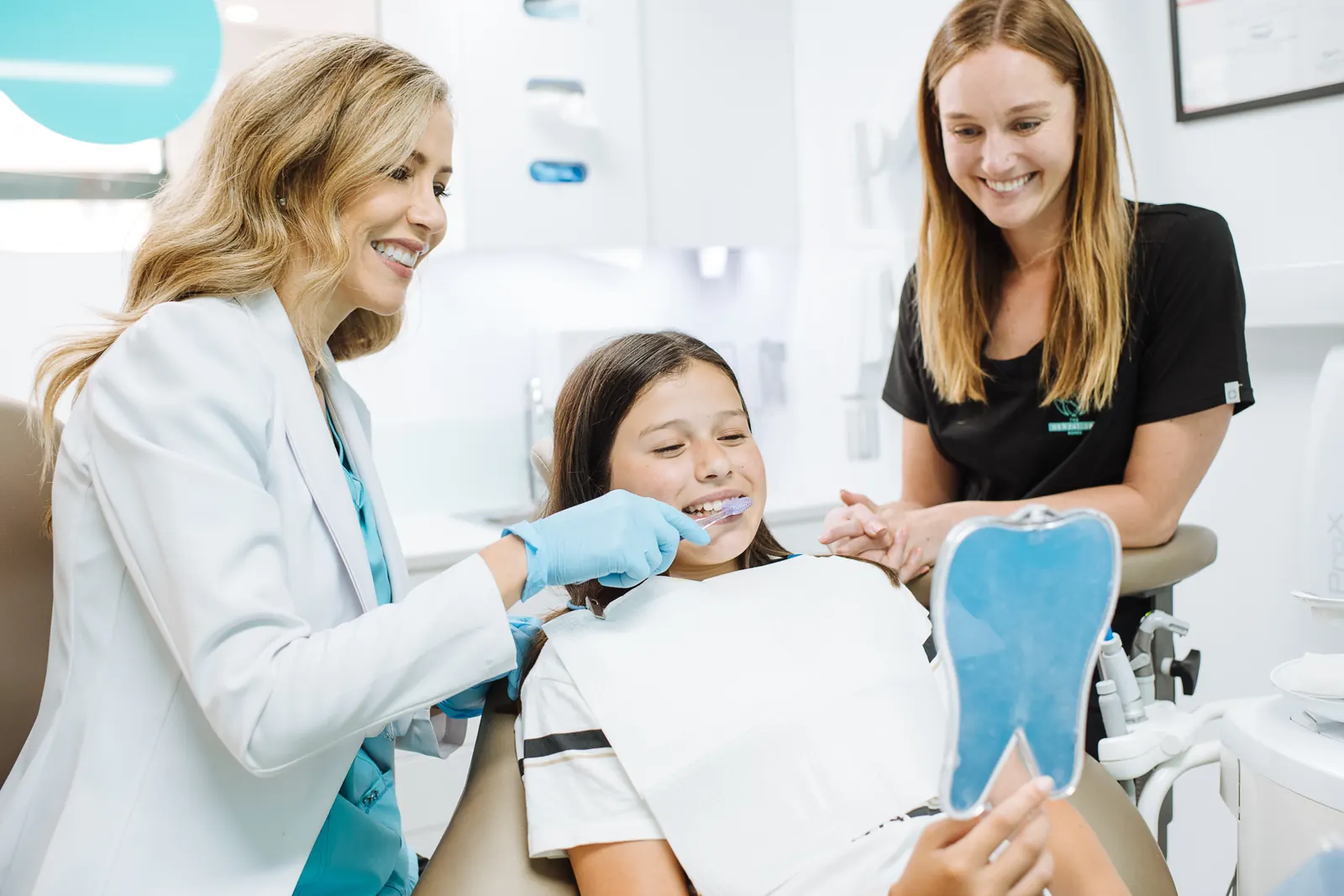
We look for wear on your teeth and check your jaw. We ask how you sleep and what you have noticed. Then we explain your options.
Want the full story?
Read the full guide to teeth grinding
Bruxism, commonly referred to as teeth grinding, is a condition where individuals involuntarily grind or clench their teeth, usually when they are asleep. Although it sounds like a harmless ailment, if not promptly treated, bruxism can instigate further dental problems and exacerbate other health conditions. Initiating bruxism treatment as early as possible is crucial in order to prevent long-term damage and maintain overall well-being.
Understanding Teeth Grinding (Bruxism)
What is Teeth Grinding?
Teeth grinding, medically known as bruxism, involves the unintentional clenching or grinding of teeth, often during sleep or periods of stress. Teeth grinding exerts excessive pressure on multiple teeth simultaneously, leading to significant wear and tear across the dental arch. This constant grinding motion can cause fractures, enamel erosion, and heightened tooth sensitivity, ultimately compromising the integrity and health of the entire set of teeth. That’s why timely and precise teeth grinding treatment is so vital for your long-term dental health.
Prevalence of Bruxism
Many people suffer from bruxism, which is a fairly common condition. It can occur at any age and is often associated with stress, anxiety, or various lifestyle factors. It is true that most people with the condition do not know they are suffering from this ailment until they notice symptoms or go to see a dentist who may diagnose the condition and suggest bruxism treatment.
Causes of Teeth Grinding
Psychological Influences
Bruxism is mostly triggered by stress, anxiety, and emotional tension. Those who undergo a lot of psychological strain may grind their teeth unconsciously as a coping mechanism.
Physical Issues
Misaligned teeth, bite troubles, or jaw problems can also be some of the physical factors that trigger bruxism. When the body attempts to find a relaxed position, it may lead to grinding or clenching.
Lifestyle Choices
Certain lifestyle choices, including excessive caffeine or alcohol consumption, smoking, and drug use, can increase the chance of developing bruxism. Also, habits such as chewing on pens or fingernails can exacerbate the condition, leading to a need for prompt teeth grinding treatment.
Symptoms of Teeth Grinding
The symptoms of bruxism might take several forms, including:
Common Symptoms
- Grinding or clenching sounds during sleep
- Pain or tenderness in the jaw, especially in the morning
- Soreness or sensitivity of teeth
- Headaches, especially in the temples
- Teeth that are worn down, chipped, cracked or broken.
Long-term Effects
If not corrected with a professional teeth grinding treatment, bruxism may have more severe consequences, including:
- Extensive wear and damage of teeth
- Broken or fractured teeth
- Temporomandibular Joint (TMJ) disorders
- Chronic headaches or migraines
- Gum recession and increased chances of losing a tooth.
Diagnosing Teeth Grinding
Self-Assessment:
If you notice symptoms like pain in the jaw, sensitive teeth, and/or unusual erosion of your teeth, you might be suffering from bruxism. A more precise method to identify chronic teeth grinding is to keep a record of these symptoms and signs over a period of time.
Professional Diagnosis:
Dentists usually diagnose bruxism with a comprehensive examination that may involve inspecting tooth wear patterns, checking the alignment of the jaw, and questioning you about other possible symptoms. Further diagnostic tests like X-rays or sleep studies may be utilised in certain cases to devise the best teeth grinding treatment plan for you.
Teeth Grinding Treatment Options
Behavioural and Lifestyle Changes
Often, bruxism treatment requires behavioural and lifestyle changes, such as:
- Practising yoga, meditation, and deep breathing to help reduce stress.
- Avoiding caffeine and alcohol, especially before bedtime, as these act as stimulants in aggravating bruxism.
- Creating a relaxing bedtime environment and going to sleep at the same time every night to ensure a regular sleep schedule.
Professional Teeth Grinding Treatment Approaches
Dental treatments are often suggested to safeguard the teeth and alleviate the symptoms of bruxism.
- Mouthguards or Splints: Custom-fitted devices that are worn during sleep can prevent teeth grinding and protect against damage.
- Bite Correction: Dental treatments such as orthodontics or adjusting tooth alignment may help relieve bruxism resulting from bite problems.
- Medical and Therapeutic Teeth Grinding Treatments
- In some cases, bruxism treatment can include medical interventions like:
- Medications: Muscle relaxants, pain relievers, or anti-anxiety medications may be prescribed to reduce symptoms of bruxism.
- Psychotherapy: Cognitive-behavioural therapy (CBT) is effective in treating bruxism for people who grind their teeth due to the psychological factors contributing to this condition.
Preventing Teeth Grinding
Here are some easy ways you can help prevent teeth grinding:
Good Sleeping Practice
Establish good sleep hygiene practices such as:
- Maintain a regular sleep schedule
- Create a relaxing sleep environment
- Avoid using your laptop or other digital devices in bed
- Avoid stimulants like coffee and alcohol close to bedtime.
Regular Dental Visits
Regular visits to the dentist are essential for monitoring oral health and identifying the early signs of bruxism. If your dentist identifies potential problems, they can give you advice on how to prevent the disorder from developing further, and if it has already developed, your dentist will propose the best bruxism treatment for you.
Connect with Our Experienced Dentists for Teeth Grinding Treatment
While it is a common disorder, teeth grinding or bruxism is a potentially harmful condition that can cause significant dental problems in the future if not treated early. By educating yourself about the causes, symptoms, and treatment options available, you can take vital proactive steps to manage bruxism and protect your oral health. If you notice the issue of teeth grinding in yourself or in a loved one who might not be aware of this condition, book an appointment with us today.
Contact us to arrange your first consultation.
Connect with us to discuss how we can help you with your teeth grinding issue and safeguard your smile. Contact our office today for an appointment!
CONTACT US
The Dental Spa Bondi | (02) 9389 8578
You might also look at



Ready to book?
Monday to Friday, 108 Bronte Road, Bondi Junction.